
Article contents
Water Treatment Plants – Types and Uses

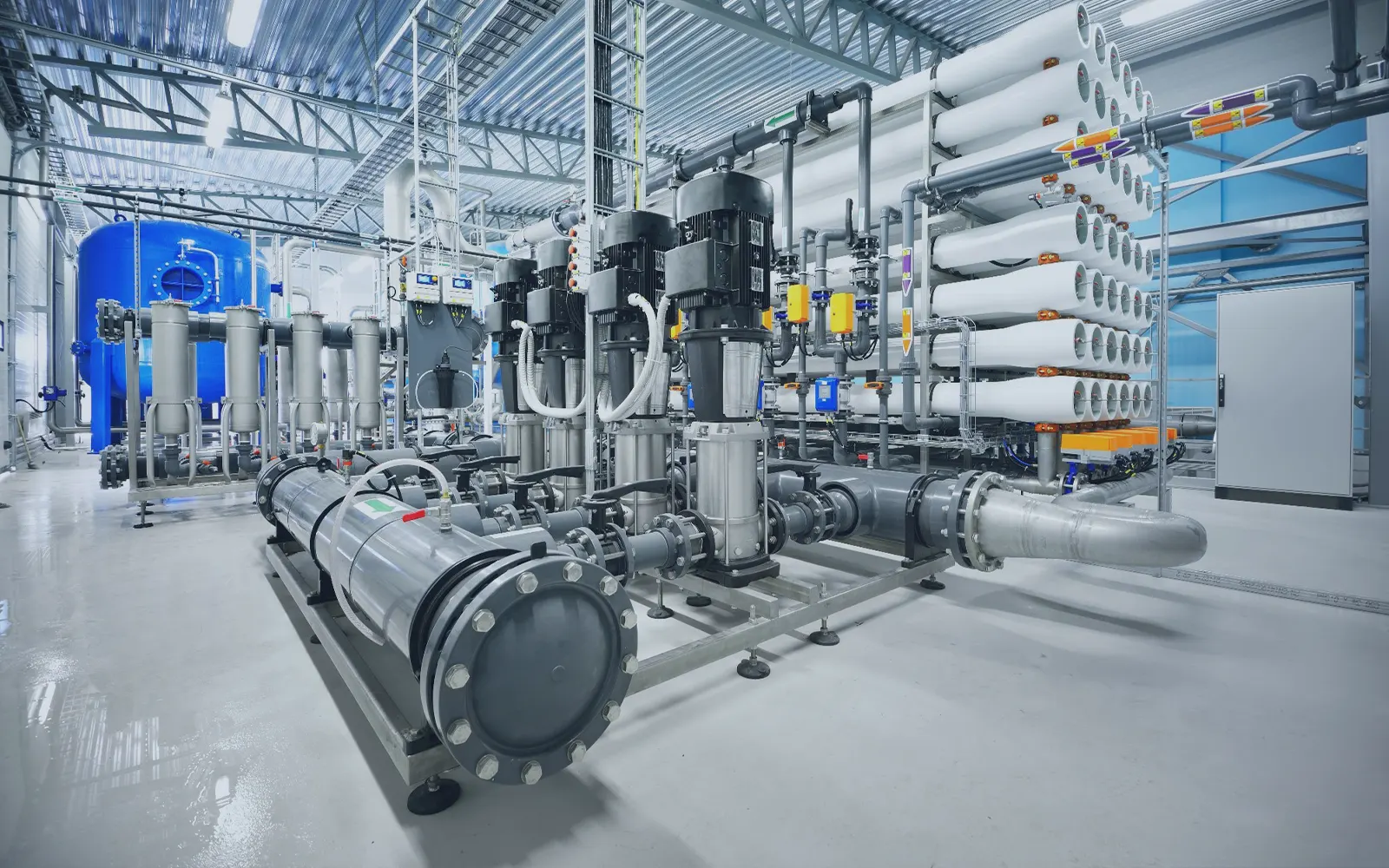
Water treatment plants play an essential role in ensuring the availability of safe and reliable water for many purposes, whether drinking, industry, irrigation or reuse. Quality of life, public health and industrial production depend on effective water treatment plants that remove contaminants and improve the natural and chemical properties of water. In this article we review the main types of water treatment plants and explain the uses of each type.
The Importance of Water Treatment Plants
Water treatment plants play a vital role in:
- Removing contaminants, organic matter and harmful chemicals.
- Reducing turbidity and suspended solids.
- Adjusting pH and reducing corrosion in networks.
- Meeting public health standards and protecting the environment.
- Providing alternative water sources through reuse.
The Main Types of Water Treatment Plants
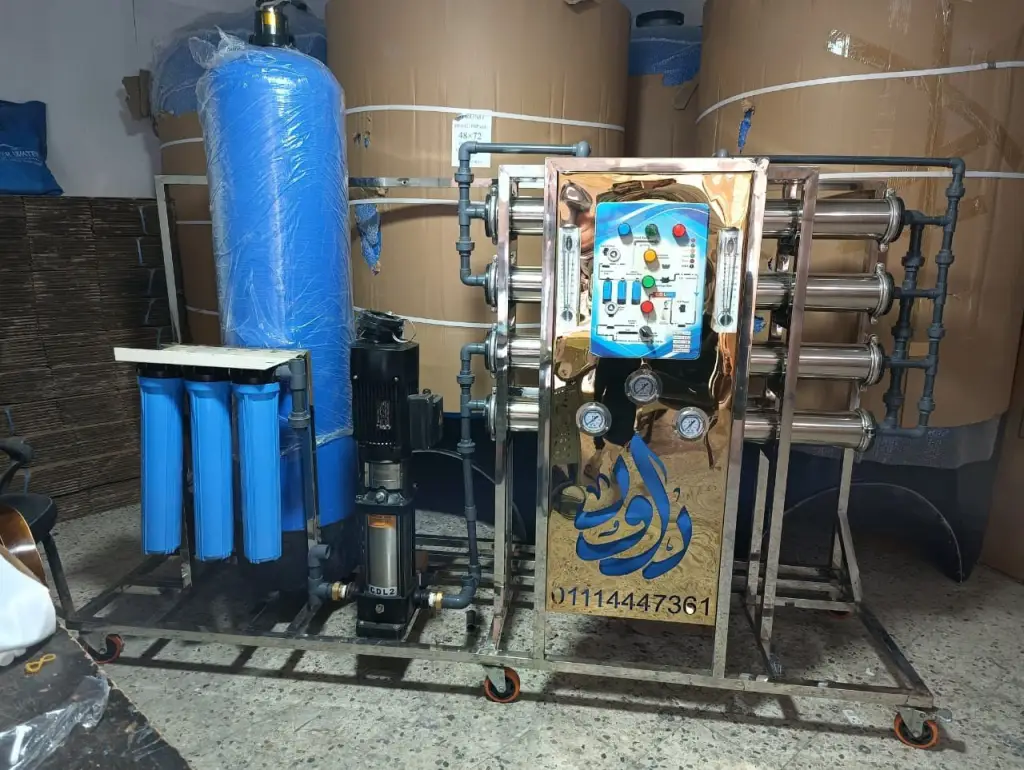
- Purpose: producing safe, usable water from saline water.
- Capacity: 5 – 10,000+ m³/day.
- Processes: chemical disinfection → filtration → reverse osmosis.
- Purpose: treating sewage before it is discharged or reused.
- Capacity: 500 – 200,000+ m³/day.
- Processes: primary sedimentation → biological treatment → secondary sedimentation → disinfection → sometimes tertiary treatment.
- Purpose: treating water to meet the requirements of various production processes.
- Capacity: 10 – 20,000 m³/day.
- Processes: chemical balancing, filtration, ion exchange, membrane filtration, sludge treatment.
-
Water Filtration Plants
- Purpose: removing sediment, turbidity, iron, odors and free chlorine, without changing the salinity.
- Capacity: 5 – 2,000+ m³/hour.
- Processes: sand filtration → carbon filtration → iron and manganese removal → micron filtration
-
Greywater Treatment Plants
- Purpose: treating water from washbasins, bathrooms and washing machines, excluding toilet water.
- Capacity: 0.5 – 500 m³/day (from homes to commercial complexes).
- Processes: screening, equalization tanks, biological treatment, filtration, disinfection.
Quick Comparison Table of Water Treatment Plant Types
| Plant type | Typical capacity (m³/day) | Treatment steps / processes | Common uses |
| Water treatment and desalination plants RO | 1 – 100,000+ | Pre-filtration → micron filter → RO → pH balancing → disinfection | Low-salinity water, drinking, industry |
| Sewage treatment plants | 500 – 200,000+ | Primary → biological → secondary → disinfection | Environmental discharge, reuse |
| Industrial wastewater treatment plants | 10 – 20,000 | Chemicals → filtration → membranes | Cooling water, production lines |
| Water filtration plants | 5 – 2,000+ (m³/hour) | Sand → multimedia → activated carbon → iron removal → micron filters | Improving water quality, protecting RO, commercial uses |
| Greywater treatment plants | 0.5 – 500 | Screening → biological (MBR/MBBR) → filtration → sterilization | Irrigation, toilet flushing |
Key Design and Performance Indicators to Monitor
- BOD₅ removal: usually between 85–95% in biological treatment.
- Turbidity and solids (TSS):
- After secondary treatment: less than 30 mg/L.
- After tertiary treatment: may reach 5 mg/L.
- Germs and bacteria:
- Reuse requires a reduction exceeding 99.9% under most regulations.
- Hydraulic retention time (HRT): varies from minutes (in rapid filtration) to days (in wetlands).
- Sludge production: between 0.3 – 0.6 kg of solids per 1 kg of BOD removed.
Benefits of Investing in Water Treatment Plants
- Providing additional water resources through reuse.
- Lowering operating costs for buildings and industries.
- Complying with local and international environmental regulations and legislation.
- Reducing environmental impact and improving the quality of waterways.
- Protecting public health from pollution.
Tips Before Choosing the Plant Type
- Accurately identify the water source and the type of contaminants.
- Know the required water quality after treatment.
- Study the plant’s current and future capacity.
- Assess the available space and the cost.
- Review the standards and regulatory requirements.
Conclusion
Water treatment plants are the cornerstone of ensuring safe water, reducing pollution and supporting sustainability. Although the types of water treatment plants differ, the goal remains the same: producing water that meets industrial, health or environmental requirements effectively and consistently.
What Sets Sewage Treatment Plants from Alpha Apart:
- 13 years of experience in designing and building plants, with technical inspections and comprehensive risk analysis.
- A professional team of elite engineers and experts in the field of sewage treatment plants.
- Partnerships with trusted brands for supplying pumps, blowers and measuring instruments, with manufacturer certificates and warranties.
- Fast execution and after-sales warranty with Site Commissioning, an extended warranty and rapid on-site response.
- Technical support and maintenance services: operation and maintenance contracts, 24/7 technical support.
Contact Us Now
- Call us and get a free consultation
- Or message us on WhatsApp and request a free quote
- Or send your project details by email: