
Article contents
Seawater desalination plants for boats need to be selected around the vessel, water demand and available installation space. This guide outlines seven selection checks, explains the existing equipment overview below and provides practical questions for quotation, installation, commissioning and support.
Contents
🚢 Seawater Desalination Plants for Boats and Marine Vessels

Providing fresh water to boats and naval vessels is no longer a luxury, but a basic need. With the significant advancement in seawater desalination technologies, the RO Integrated Seawater Desalination Plant has emerged as the best reliable solution for providing a permanent and safe source of fresh water while sailing.
🎯 The most prominent problems related to water supply on boats and marine vessels
1. Limited storage and high consumption
2. Poor water quality in some seaports
3. High cost of water bottling
4. The risk of running out of water at sea
5. Increasing the weight of the vessel or vessel
6. Bacterial growth inside tanks
💧 Why is a compact seawater desalination plant the perfect choice?
1. Continuous production of pure water
2. Reduce operating costs
3. Save storage space
4. Stable and safe water quality
5. Design withstands harsh marine conditions
6. Easy operation and maintenance
7. Long-term sustainability
⚓︎ Sectors Served by Compact Seawater Desalination Plant
1. Shipping and shipping companies
2. Offshore oil and gas platforms
3. Navies and Coast Guard
4. Fishing Fleets and Fish Farms
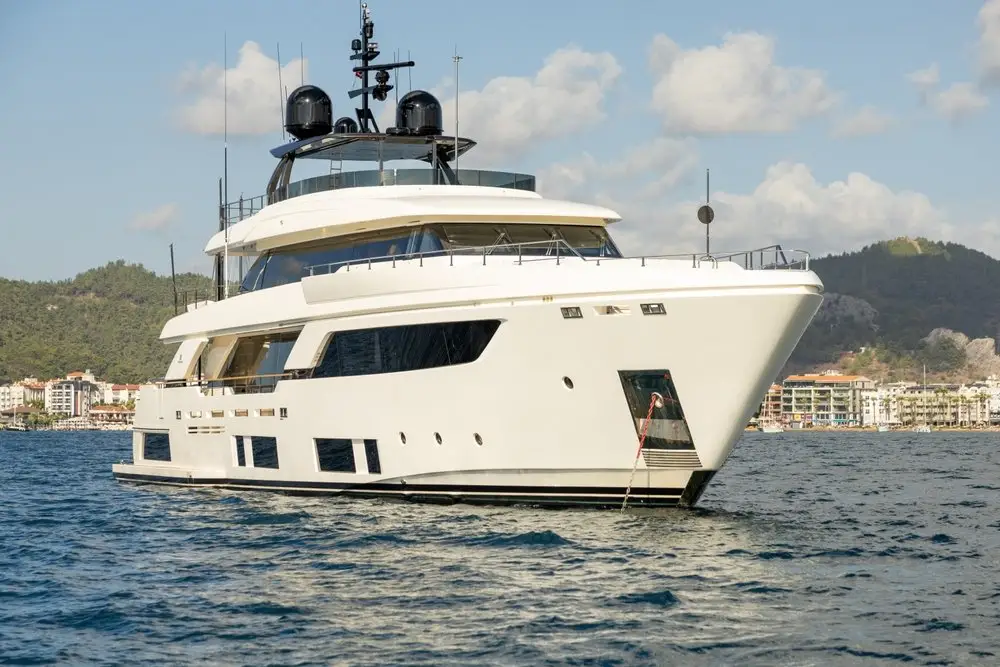
5. Private yachts and cruise ships
6. Island Resorts and Coastal Communities
7. Emergency Humanitarian Relief Organizations
↕ Capacity Range of Compact Seawater Desalination Plant
1. Small Seawater Desalination Plant (1,000–5,000 L/Day)
• Suitable for boats, yachts and small boats
2. Medium Seawater Desalination Plant (5,000–50,000 L/Day)
• Suitable for boats, large vessels and oil rigs
3. Large Seawater Desalination Plant (50,000 L/day and above)
• Suitable for industrial and marine fleet applications
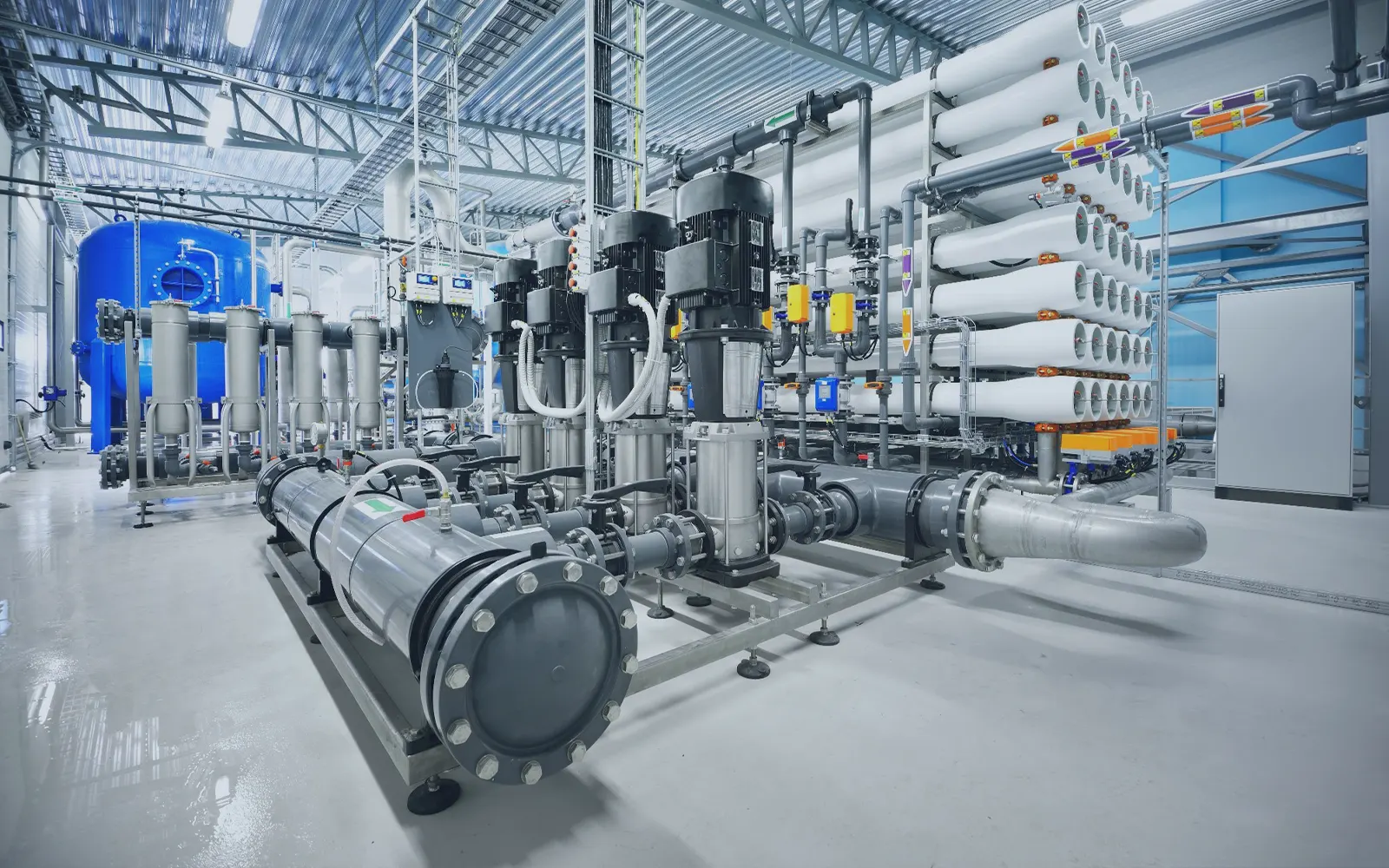
⚙️ Components of RO Compact Seawater Desalination Plant
• Seawater intake pump
• Multimedia filter
• micron filters
• High pressure pump
• High rejection marine RO membranes
• Operation and control panel
• Pressure and flow meters
• Corrosion-resistant construction
🎁 Benefits of Installing a Compact RO Seawater Desalination Plant
1. Direct benefits
• Reduce water cost by up to 90%
• Providing clean and healthy water immediately
• Availability of long-haul flights without restrictions
• Increase the value of the vessel upon resale
2. Indirect benefits
• Improved passenger comfort
• Protect devices from salt deposits
• Reduced vessel weight and thus fuel consumption
• Reduce plastic waste and bottled water consumption
Get your station started now!
- Call us for a free consultation
- Or message us on WhatsApp for a free quote
- Or email us your project details
Defining demand for seawater desalination plants
Start with the way the vessel is used. Record the number of people normally on board, the length of planned journeys and the activities that consume fresh water. Separate routine demand from occasional peaks, and explain whether the plant is intended to supplement existing storage or become part of a broader water-supply plan. Give the supplier your actual operating pattern rather than selecting equipment from a capacity label alone.
State the hours when the equipment could run and any restrictions related to the vessel schedule. Ask the supplier to explain the conditions behind its proposed output and how the design relates to your requirements. Keep estimated consumption separate from recorded use. If records are not available, identify that uncertainty in the enquiry so that the proposal explains the assumptions still requiring confirmation.
Space and access for seawater desalination plants
Send photographs and measurements of the proposed equipment location, its access route and the nearby service connections. Show doors, hatches and any obstructions that affect moving the equipment into position. Ask the supplier to confirm the space needed for routine operation, inspection and replacement of consumables. A compact footprint is useful only when the agreed layout also leaves access for the people maintaining the system.
Discuss the layout with the vessel team before approving it. Record who checks the measurements and who approves the final arrangement. Ask how the equipment will be secured and which installation details require review by the responsible marine professional. The supplier should identify what information is still needed; photographs provide context but do not replace project-specific drawings or confirmed dimensions.
Power and connections for seawater desalination plants
Describe the electrical supply available during the hours you expect to operate the equipment. Ask the supplier for the connection requirements of the proposed model and arrange for the responsible technician to review them. Do not assume that an equipment label alone confirms compatibility with the vessel. Include any planned changes to the power arrangement in the project brief before finalising the order.
Identify who will prepare the feed-water connection, treated-water connection and any discharge arrangements. Ask for a written interface schedule showing the connections provided with the equipment and those supplied by others. Confirm responsibility for installation materials and labour. This makes the quotation easier to compare and avoids leaving essential interfaces unresolved until the equipment is already on board.

Comparing quotations for seawater desalination plants
Compare proposals against a common brief. Request an equipment schedule, the basis for the proposed output and a list of exclusions. Separate the price of the unit from optional equipment, packing, transport, installation, commissioning and training. If one quotation includes a service that another excludes, account for that difference before treating the headline prices as directly comparable.
Ask about manuals, component identification and the process for obtaining replacement parts. Check how any proposed substitutions will be documented and approved. Keep the quotation date and revision number with the technical schedule, and ask the supplier to update the written offer when the discussion changes its assumptions. A clear scope helps both the purchasing team and the crew understand what will be delivered.

Installation planning for seawater desalination plants
Prepare a responsibility list covering delivery, unloading, movement on board, mounting, connections and initial checks. Name the organisation or role responsible for each activity. Link the installation date to vessel availability and completion of the required preparation. Before arranging a technician visit, ask which evidence of readiness is needed and provide the requested photographs or confirmation from the site team.
Keep installation changes under a documented approval process. If the available space or access differs from the agreed layout, explain the issue to the supplier and responsible vessel professional before improvising an alternative. Record the agreed change and update the relevant drawing. The final installation should be checked against the approved documentation and the instructions supplied with the selected equipment.

Commissioning seawater desalination plants
Agree the commissioning checks before installation is completed. Identify the conditions that must be available, the observations to record and the documents to hand over. Ask how the delivered system will be checked against the specification in the order, and identify the people who will review the results. Any unresolved work should be recorded with a responsible party and an agreed follow-up date.
Arrange training for the crew members who will actually operate the equipment. Ask the trainer to cover normal startup, routine observations, shutdown and the process for reporting a problem. Keep the operating instructions and support contacts available after the visit. Practical training should use the delivered equipment and its documentation, with remaining questions recorded for the supplier to answer.
Maintenance and support for seawater desalination plants
Request a maintenance plan tied to the selected model and planned use. Ask which consumables should be held on board, how they are identified and how replacement parts are ordered. Discuss support availability in relation to the vessel schedule and operating area. Confirm warranty conditions and service exclusions in writing, including the information needed when submitting a support request.
Use a consistent operating and maintenance log. Record the observations specified in the manual, interruptions and replacement work. When seeking help, describe the symptom and when it began, and share the relevant records. Avoid changing settings without understanding the instructions; ask the responsible technician to explain the next checks. Keep the outcome with the equipment records so that later support can consider what has already been tried.
Operating costs of seawater desalination plants
Ask the supplier to state the assumptions behind its operating estimate, including output, operating hours and source-water conditions. Review the expected requirements for electricity, consumables, servicing and crew attention. Compare estimates on the same basis and ask which changes would require a review. A general saving claim should not replace a calculation that reflects the vessel and the proposed installation.
Include delivery and installation costs when reviewing the purchase budget. List the items that remain provisional and the party responsible for confirming them. Where the quotation includes optional services, ask what each covers and whether it is needed for your scope. Keep the technical and commercial records together so that a change in equipment or operating assumptions is reflected in the cost discussion.
Enquiry checklist for boat owners
A useful enquiry identifies the vessel, intended use, crew or passenger demand, journey pattern and the proposed equipment location. Attach available measurements and photographs and describe the power supply. Explain what support you want included, such as installation attendance, commissioning, training or a spare-parts package. State which details are confirmed and which need a supplier review before the design can be finalised.
Choose a coordinator who can gather questions from the crew, installer and purchasing team. Send a consolidated response when additional information is requested. If the project brief changes, issue an updated version with a date and ask the supplier to identify the effect on scope, cost and delivery. This is easier to manage than making separate decisions through several unconnected conversations.
Handover records for seawater desalination plants
Collect the final quotation, approved layout, equipment identifiers, operating manuals and commissioning records in one accessible folder. Include training notes, support contacts and the list of open items. Identify who maintains the current version and explain where the crew can find it. Retain superseded documents separately so that the team does not accidentally use an outdated drawing after a modification.
Review the handover list before closing the installation work. Check that the crew knows how to identify the equipment when asking for help and how to record maintenance activity. Agree the process for reporting any outstanding issue. The goal is a documented handover in which the owner, crew and supplier share an understanding of the delivered scope and the next steps.
Frequently asked questions about seawater desalination plants
Can equipment be chosen only from daily output? Daily output is one input to the brief. The supplier also needs the intended use, operating pattern, available space, connections and other model-specific information. Ask for the assumptions behind a recommendation and for a list of outstanding checks, rather than treating a capacity range as a final design for every vessel.
What should be confirmed before delivery? Confirm the equipment schedule, packing information, delivery responsibilities and readiness requirements. Agree who receives the shipment and checks its condition, who moves the unit into place and who is responsible for the installation interfaces. Keep these decisions with the approved drawings and commercial scope so that the receiving and installation teams work from the same plan.
Discuss your vessel requirements through the ALPHA Environmental website or use the contact options above to request a proposal from ALPHA.
Receiving seawater desalination plants on board
Before the shipment arrives, obtain the packing list and the handling instructions for the selected equipment. Share these with the receiving team and the people responsible for moving the unit on board. Confirm the unloading point, access route and any agreed lifting arrangements with the responsible professionals. Keep the delivery plan connected to the approved installation layout so that the crew is prepared for the actual packages.
Check the delivered packages against the packing list and document their visible condition. Record identifying labels and notify the responsible parties if an item is missing or damaged. Ask for the next steps before discarding relevant packaging or proceeding with affected installation work. Keep the receiving record in the project folder with photographs and the supplier’s response, so that later questions can be traced to the delivery.
Planning support around the vessel schedule
Explain where the vessel normally operates and when it will be available for planned service. Ask how technical enquiries are handled and what information should accompany them. Confirm the contact route for the equipment supplied and keep it available to the crew. Where a service visit is required, establish who coordinates access and which preparation must be completed before the technician attends.
Discuss spare-part identification and ordering before the vessel starts its operating schedule. Ask which items are recommended for the planned use, how they should be stored and which documents identify the correct replacements. Review this list when the operating pattern changes. A written support arrangement is more useful than assuming that a general promise of after-sales assistance covers every location, visit or replacement item.
Managing changes to seawater desalination plants
If a change is proposed after ordering, describe the reason and ask which parts of the agreed scope are affected. Request confirmation of its effect on equipment selection, interfaces, delivery and cost before approval. Keep the revised document with its date and make sure the crew and installer have the current version. A change that seems small in isolation can still require another party to update its work.
After installation, record approved modifications with the equipment documentation. If the vessel’s demand, operating hours or available connections change, discuss those changes with the supplier rather than assuming the original project assumptions remain suitable. Retain the correspondence and any revised instructions. This gives the owner and future crew a more complete record of how the installation developed over time.
Seven checks before requesting a marine quotation
- Describe fresh-water demand and the planned journey pattern.
- Provide photographs and confirmed measurements of the equipment area.
- Describe the available power supply and connection responsibilities.
- Request a complete equipment schedule and written exclusions.
- Allocate delivery, installation and readiness tasks.
- Agree commissioning records and crew training.
- Clarify consumables, spare parts and the support process.
Use these checks to prepare a focused conversation about seawater desalination plants for your vessel. Send the information you already have, identify the gaps and ask the supplier which checks must be completed before the proposal can be finalised. The resulting quotation should make the equipment scope and responsibilities understandable to both the purchasing team and the crew.
Keep a dated copy of the final enquiry and record the supplier questions, agreed responses and remaining checks before confirming the equipment order.